Bldc
Bldc

Wenn Sie mit dem Bau einer Werkbank, eines Maschinenschutzes oder eines Förderbandrahmens aus 4040- oder 8080-Aluminiumprofilen beginnen, geht es bei der ersten Kaufentscheidung nicht wirklich um das Profil selbst. Es geht um den Stecker. Zwei identische Profile können je nach Herstellung ihrer Verbindungen sehr unterschiedliche Leistungen erbringen. Die Schlussfolgerung ist einfach: das Richtige auswählen T-Nut-Anschlüsse aus Aluminiumlegierung hat einen größeren Einfluss auf die Montagegeschwindigkeit, die Rahmensteifigkeit und die zukünftige Einstellbarkeit als die Wahl der Profilgröße.
Warum die Wahl des Steckverbinders wichtiger ist als das Profil
Ein Aluminium-Strangpressprofil bietet über seine gesamte Länge eine hervorragende Festigkeit, ein Rahmen ist jedoch nur so steif wie seine schwächste Verbindung. T-Nut-Verbindungsstücke tragen an jedem Schnittpunkt Biegemomente, Scherkräfte und Klemmlasten. Ein gut ausgewählter Verbinder überträgt diese Lasten gleichmäßig über die Schlitzwände, anstatt die Spannung an einem einzigen Punkt zu konzentrieren.
Konnektoren bestimmen auch, wie viel Nacharbeit Sie später vornehmen können. Bei einigen Designs kann ein Rahmen innerhalb von Minuten zerlegt und neu konfiguriert werden, während andere in eine dauerhafte Struktur einrasten. Für eine Produktionslinie oder ein Forschungslabor, deren Layouts häufig wechseln, ist dieser Unterschied wichtiger als die Zugfestigkeit des Profils selbst. Für ein festes Sicherheitsgehäuse wäre eine verdeckte dauerhafte Verbindung möglicherweise besser geeignet. Aus diesem Grund sagen erfahrene Bauherren oft, dass die Auswahl der Verbinder die erste eigentliche technische Aufgabe bei einem Rahmenprojekt ist.
Gängige Arten von T-Nut-Steckverbindern aus Aluminiumlegierung
Beim Kauf von T-Slot-Hardware werden Sie auf drei große Steckverbinderfamilien stoßen. Jede Familie weist ein anderes Gleichgewicht zwischen Festigkeit, Installationsgeschwindigkeit und optischer Sauberkeit auf.
Externe spitze Klammern
Winkelhalterungen sind die am häufigsten verwendeten T-Nut-Verbinder. Sie werden an der Außenseite der Profile angeschraubt und können hohe Drehmomente an der Ecke aufnehmen. Eine 90-Grad-Halterung aus einer Aluminiumdruckgusslegierung ist eine einfache Wahl, wenn Sie eine starke, zuverlässige Verbindung benötigen und den Stecker nicht verstecken müssen. Sie lassen sich außerdem problemlos installieren, da Sie weder das Profil bearbeiten noch auf einen internen Hohlraum zugreifen müssen.
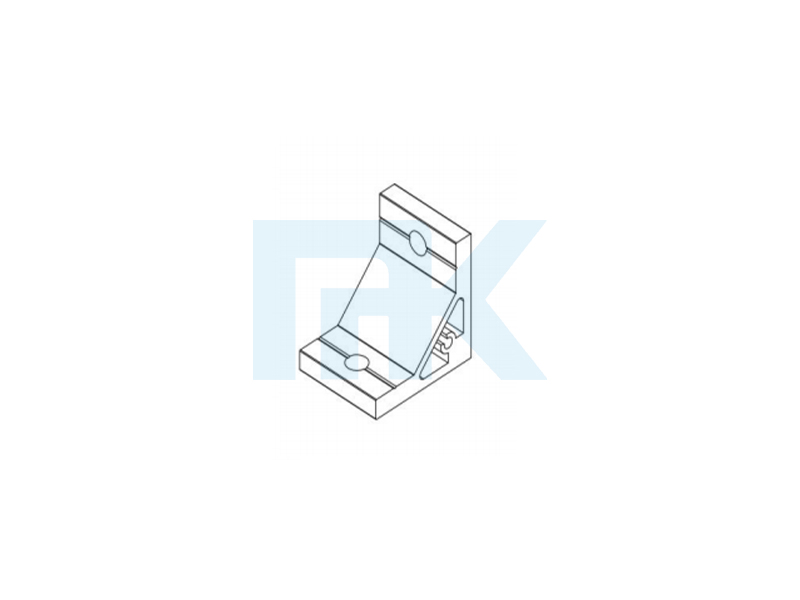 90-Grad-Strangpresshalterung aus Aluminiumdruckguss für T-Nut-Profile Diese Winkelhalterung wird an der Außenseite von T-Nut-Profilen angeschraubt und sorgt für eine starke und zuverlässige Eckverbindung mit hoher Drehmomentkapazität. Es lässt sich einfach und ohne maschinelle Bearbeitung installieren und ist daher eine praktische Wahl für Rahmen und Strukturen, bei denen ein externer Anschluss akzeptabel ist. Produkt anzeigen →
 Interne und mittlere Anschlüsse
Zentralverbinder, auch Innenverbinder genannt, sind so konzipiert, dass sie in der T-Nut oder in einem gebohrten Hohlraum sitzen. Sie erzeugen eine bündige Außenfläche, die für Gehäuse, Arbeitsplätze und fertige Verbraucherprodukte nützlich ist. Der Nachteil besteht darin, dass einige Innenverbinder einen zusätzlichen Bearbeitungsschritt oder einen speziell vorbereiteten Profilquerschnitt erfordern. Im Gegenzug erhalten Sie ein saubereres Erscheinungsbild und eine bessere Raumausnutzung.
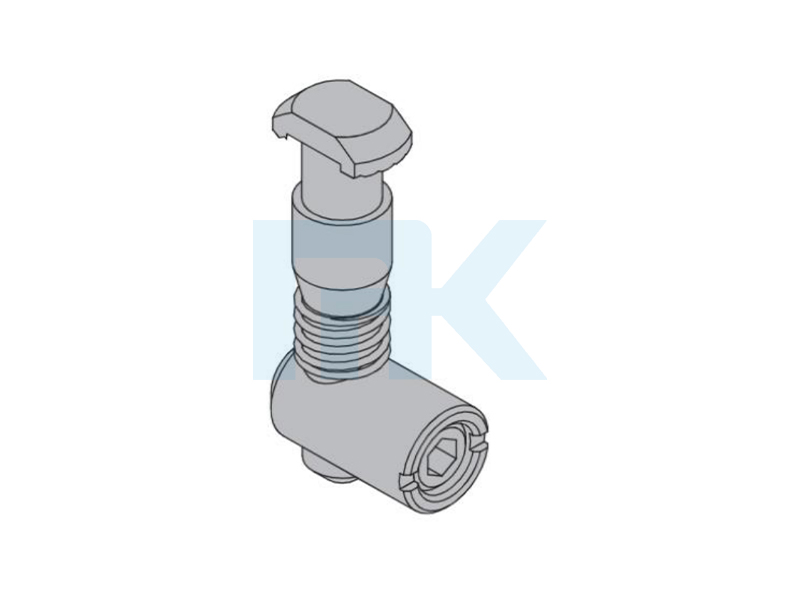 Interner Zentralverbinder für bündige T-Nut-Verbindungen Dieser Steckverbinder ist so konzipiert, dass er in der T-Nut oder einem gebohrten Hohlraum sitzt und eine bündige Außenfläche für Gehäuse und fertige Produkte schafft. Es erfordert möglicherweise eine zusätzliche Bearbeitung, bietet jedoch eine bessere Raumausnutzung und ein saubereres Aussehen als externe Halterungen. Produkt anzeigen →
 Ankerbefestigungen
Ankerbefestigungen gleiten in die Nut und dehnen sich beim Anziehen aus, wodurch eine innere Klemmkraft entsteht. Sie werden häufig in Kombination mit einem Gewindebolzen oder einer Senkkopfschraube verwendet. Dieser Verbindertyp ist nützlich, wenn Sie Profile durchgehend verbinden oder eine bündige Verbindung ohne externe Halterung herstellen müssen. Sie bieten außerdem eine gute Vibrationsfestigkeit, was für Maschinenrahmen mit zyklischer Belastung wichtig ist.
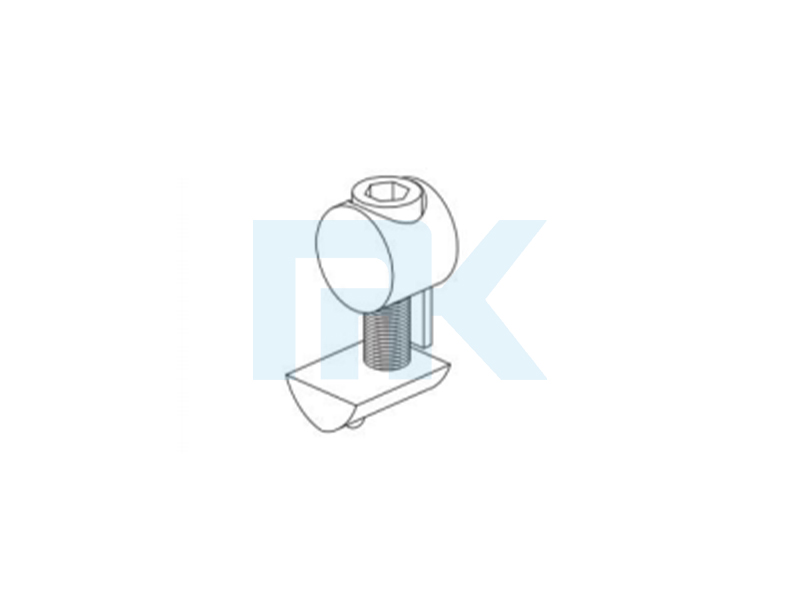 Ankerbefestigung für bündige End-to-End-T-Nut-Verbindungen Dieses Befestigungselement gleitet in die Nut und dehnt sich beim Festziehen aus, wodurch eine innere Klemmkraft entsteht. Es eignet sich ideal für die durchgehende Verbindung von Profilen oder die Erzielung einer bündigen Verbindung ohne Außenkonsole und bietet eine gute Vibrationsfestigkeit für Maschinengestelle bei zyklischer Belastung. Produkt anzeigen →
 | Steckertyp | Installationsgeschwindigkeit | Gelenkstärke | Optischer Abschluss | Typische Verwendung |
|---|---|---|---|---|
| Externe Winkelhalterung | Schnell | Hoch | Sichtbare Hardware | Gemeinsame Rahmen, Bänke, Zäune |
| Interner Mittelstecker | Mittel | Mittel to high | Spülen/reinigen | Gehäuse, Fertigprodukte |
| Ankerbefestigung | Mittel | Hoch | Versteckter Innenschlitz | Durchgehende Verbindungen, vibrationsanfällige Rahmen |
Auswahlkriterien für reale Rahmenarbeiten
Der beste Stecker ist derjenige, der Ihren tatsächlichen Betriebsbedingungen entspricht. Schauen Sie sich zunächst den Lastpfad an. Wenn die Verbindung ein schweres Bauteil tragen muss, das sich nach außen erstreckt, verteilt eine externe Halterung mit einer großen Montagefläche das Moment besser als ein kleiner versteckter Verbinder. Zweitens denken Sie über die Installationshäufigkeit nach. Ein Schnellverbinder, der von Hand festgezogen werden kann, ist ideal für einen Demo-Aufbau, aber ein verschraubter Ankerbefestiger eignet sich besser für eine dauerhafte Maschinenbasis, bei der ein versehentliches Lösen nicht akzeptabel ist.
Drittens berücksichtigen Sie die visuellen Anforderungen. Ein dem Kunden zugewandter Präsentationsständer oder ein Labortisch sehen mit bündigen Anschlüssen besser aus. Verwenden Sie für diese Projekte Innenverbinder oder versenkte Ankerbefestigungen. Viertens: Vergleichen Sie die Gesamtkosten, einschließlich der Arbeitskosten. Ein teurerer Verbinder, der die Montagezeit verkürzt, kann insgesamt günstiger sein als eine kostengünstige Halterung, die Bohren oder Gewindeschneiden erfordert. Sie sollten immer den gesamten Fertigungsablauf bewerten, nicht nur den Stückpreis.
Praktische Empfehlungen zur passenden Verbindung von Steckverbindern zu Profilen
Bei der Arbeit mit MK T-Nut-Aluminium-Strangpresssystemen sollte die Verbinderserie zur Profilserie passen. Beispielsweise wird ein Profil der 40er-Serie normalerweise mit Halterungen und Befestigungselementen der 40er-Serie kombiniert. Wenn Sie ein Profil der 40er-Serie mit einer Halterung der 30er-Serie verwenden, stimmen die Schlitzausrichtung und die Gewindesteigung nicht korrekt überein. Dies ist eine der häufigsten Ursachen für Feldausfälle.
Wählen Sie für einen Maschinenrahmen, der eine schwere Vorrichtung tragen kann, eine externe 90-Grad-Halterung sowie eine T-Nut-Mutter und eine Schraube. Für einen Präsentationsständer oder einen sauberen Arbeitsplatz ist ein Mittelverbinder die bessere Option, da dadurch die Außenfläche glatt bleibt. Wenn Sie ein langes horizontales Element bauen, das an einen vertikalen Pfosten angeschlossen werden muss, sorgt ein Ankerbefestiger für eine bündige und mechanisch einwandfreie interne Verbindung. Sie können diese Methoden in einem Rahmen kombinieren, solange Sie die Lastpfade vorhersehbar halten.
Wenn Sie gerade erst anfangen, diese Optionen zu erkunden, finden Sie hier unseren praktischen Leitfaden Auswahl von T-Nut-Anschlüssen geht die Kompromisse anhand realer Beispiele durch. Dies kann Ihnen helfen, den häufigen Fehler zu vermeiden, einen Halterungstyp zu kaufen, der nicht zu Ihren Schlitzabmessungen passt.
Das Fazit
T-Nut-Verbinder aus Aluminiumlegierung sind die verborgene technische Schicht, die lose Strangpressteile in eine nutzbare Struktur verwandelt. Lassen Sie sich nicht vom einfachen Aussehen einer Halterung täuschen. Stellen Sie sich vor dem Kauf drei Fragen: Wie viel Belastung trägt dieses Gelenk? Muss ich den Rahmen später zerlegen? Spielt das Aussehen des Steckverbinders bei dieser Anwendung eine Rolle? Sobald Sie diese Antworten haben, ist die richtige Steckverbinderfamilie normalerweise offensichtlich.
Indem Sie für jede Verbindung die passende Halterung, den passenden Innenverbinder oder den passenden Ankerbefestiger auswählen, bauen Sie einen Rahmen, der einfacher zu montieren, sicherer zu betreiben und später einfacher zu modifizieren ist.